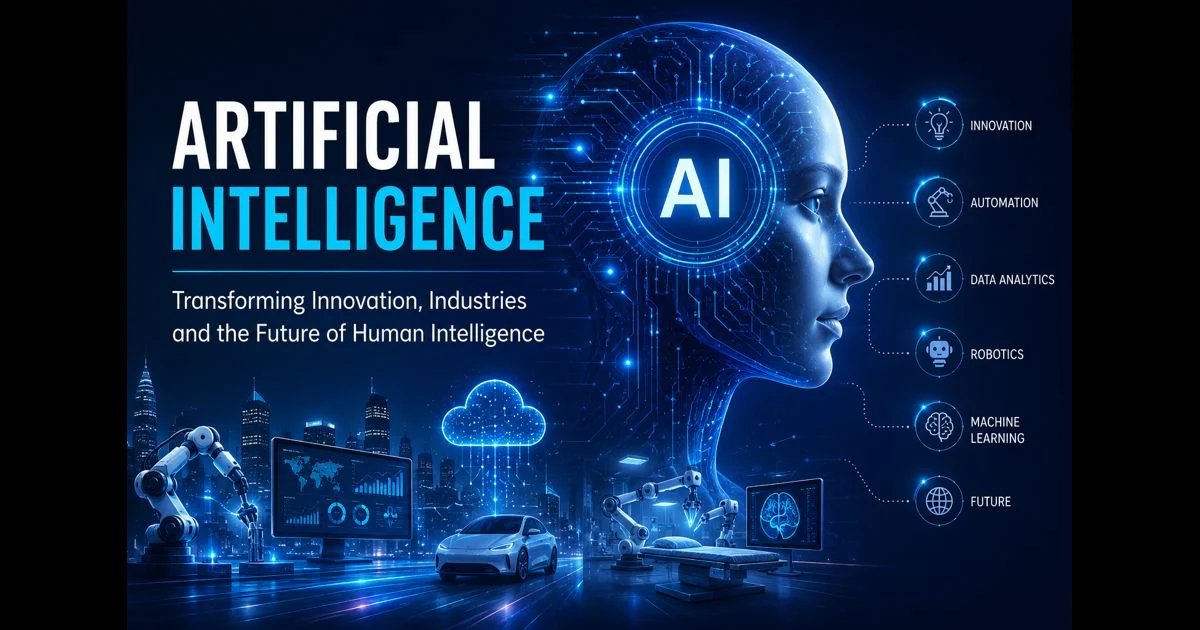
Artificial Intelligence has moved beyond being a specialized field of computer science to become one of the defining technologies of the modern era. It now influences how knowledge is created, businesses operate, scientific discoveries accelerate, and societies make increasingly complex decisions. Rather than replacing human intelligence, today’s AI systems are expanding human capability by processing information at a scale and speed that would otherwise be impossible.
The significance of Artificial Intelligence lies not in a single breakthrough but in its ability to reshape nearly every sector through continuous learning, pattern recognition, prediction, optimization, and intelligent automation. From laboratories developing new medicines to manufacturers improving production quality, from financial institutions detecting fraud to researchers analyzing climate data, AI has become an enabling layer across the digital economy.
As computing power, cloud infrastructure, data availability, and advanced algorithms continue to evolve, Artificial Intelligence is becoming an essential foundation of innovation. Organizations that understand how to deploy AI responsibly are positioned to improve efficiency, discover new opportunities, and respond more effectively to rapidly changing environments.
Artificial Intelligence as the Engine of the Next Innovation Economy
Every major technological revolution has introduced a new platform for economic growth. Electricity transformed manufacturing, the internet connected global information, and cloud computing reshaped digital infrastructure. Artificial Intelligence represents the next foundational platform because it enhances decision-making rather than simply automating mechanical tasks.
Modern AI systems identify relationships hidden within vast datasets, recognize complex patterns, forecast outcomes, and continuously improve through experience. These capabilities allow organizations to solve problems that were previously too large, expensive, or time-consuming for conventional software.
Unlike traditional software, which follows explicit instructions, AI-powered systems adapt to changing conditions. This shift enables businesses and institutions to optimize operations while continuously learning from new information.
As industries increasingly digitize their operations, Artificial Intelligence serves as the intelligence layer that transforms raw data into meaningful action.
Why Modern AI Depends on an Entire Technology Ecosystem
Artificial Intelligence does not operate independently. Its progress depends on a broader ecosystem of complementary technologies working together.
High-Quality Data Creates Intelligent Systems
Data remains the foundation of effective AI development. Accurate, diverse, and well-managed datasets allow intelligent systems to identify meaningful relationships and produce reliable predictions.
Poor-quality data often produces biased or inaccurate outcomes, making data governance as important as algorithm design.
Computing Infrastructure Enables AI at Scale
Cloud Computing, specialized processors, distributed computing, and scalable infrastructure have dramatically reduced the barriers to AI adoption.
Organizations can now train, deploy, and update sophisticated AI models without maintaining enormous physical infrastructure, accelerating innovation across industries.
Algorithms Continue to Advance
Fields including Machine Learning, Deep Learning, Neural Networks, Natural Language Processing, Computer Vision, and Large Language Models continue to expand AI capabilities.
Together, these technologies enable computers to understand language, recognize images, analyze documents, generate insights, detect anomalies, and assist with increasingly complex tasks.
Artificial Intelligence Is Redefining Scientific Discovery
Scientific research has traditionally depended on lengthy experimentation and manual analysis. Artificial Intelligence significantly accelerates this process by helping researchers analyze enormous datasets more efficiently.
Researchers now use AI to:
- Discover patterns within genomic research
- Model climate systems
- Simulate chemical interactions
- Improve materials science
- Accelerate pharmaceutical research
- Analyze astronomical observations
- Support environmental monitoring
Rather than replacing scientific expertise, AI enables researchers to focus on hypothesis development, interpretation, and innovation while intelligent systems handle computational complexity.
This collaboration shortens research cycles and enables discoveries that would otherwise require years of manual investigation.
Healthcare Is Becoming More Predictive and Personalized
Healthcare represents one of the most transformative applications of Artificial Intelligence.
AI increasingly supports clinicians by identifying patterns across medical records, diagnostic imaging, laboratory results, and clinical workflows. These capabilities help healthcare professionals make faster and better-informed decisions while maintaining human oversight.
Artificial Intelligence also contributes to:
- Clinical decision support
- Medical imaging analysis
- Drug discovery
- Personalized treatment planning
- Remote patient monitoring
- Hospital resource optimization
- Population health management
Successful healthcare AI depends on clinical validation, privacy protection, transparency, and responsible implementation rather than automation alone.
AI Is Changing How Businesses Create Value
Digital transformation increasingly depends on intelligent systems capable of improving operational performance rather than simply digitizing existing processes.
Organizations integrate Artificial Intelligence across numerous business functions.
Customer Experience
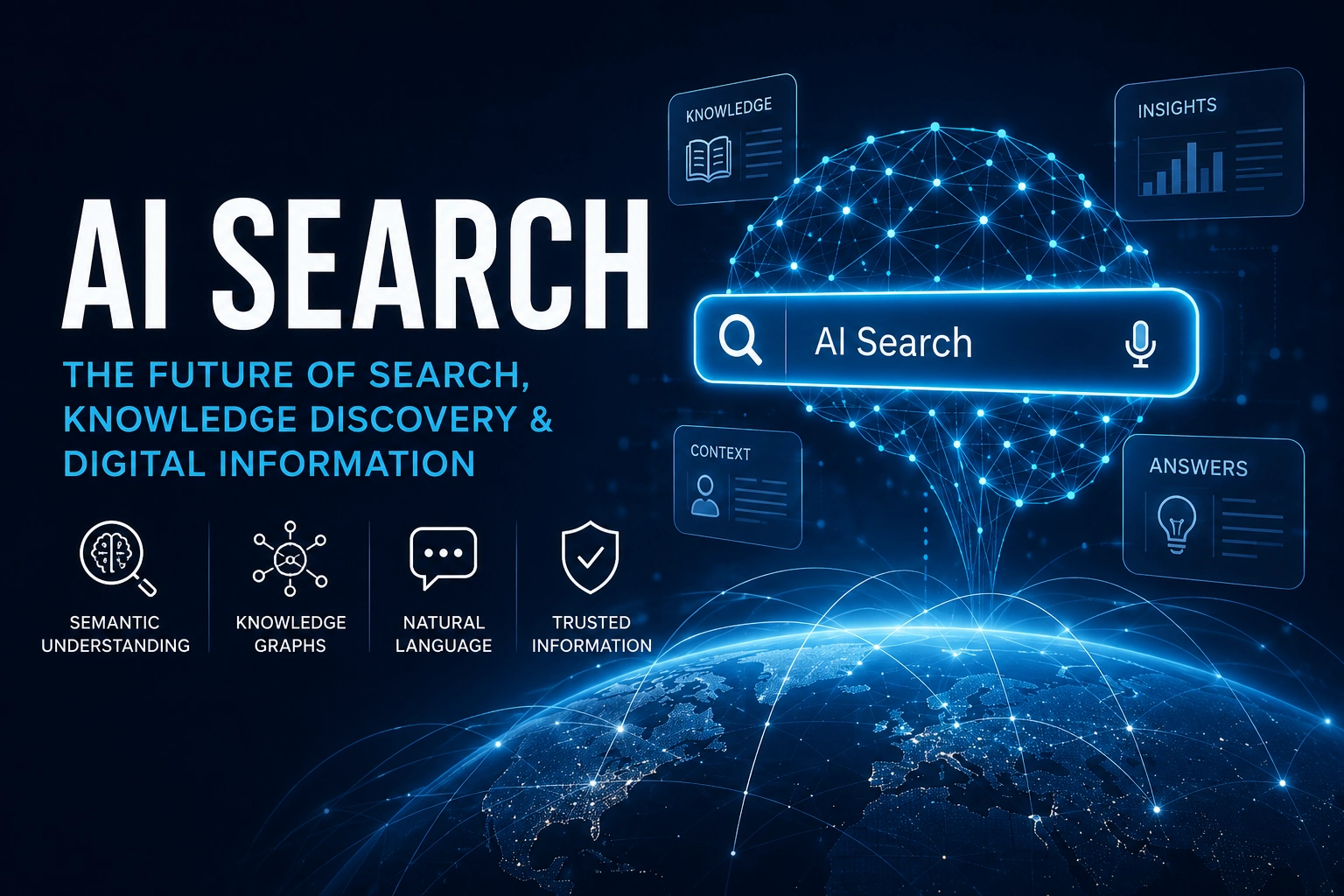
AI supports personalized recommendations, intelligent search, customer service automation, multilingual communication, and faster response times.
Operations
Businesses optimize inventory, supply chains, logistics, procurement, scheduling, and workforce planning through predictive analysis.
Strategic Planning
Executives increasingly rely on AI-assisted forecasting, scenario modeling, competitive analysis, and operational intelligence to improve decision-making.
Organizations that treat AI as a strategic capability rather than a standalone tool often achieve greater long-term resilience.
Manufacturing Is Becoming Smarter Through Intelligent Automation
Modern manufacturing combines robotics, industrial sensors, automation, predictive maintenance, and Artificial Intelligence to improve efficiency across production environments.
AI contributes by:
- Detecting product defects
- Predicting equipment failures
- Optimizing production schedules
- Improving quality assurance
- Reducing material waste
- Enhancing workplace safety
- Supporting digital factories
These capabilities enable manufacturers to improve consistency while reducing downtime and operational costs.
Financial Services Are Moving Toward Intelligent Risk Management
Financial institutions process enormous volumes of structured and unstructured information every day. Artificial Intelligence improves their ability to identify opportunities while reducing operational risk.
Current applications include:
- Fraud detection
- Credit assessment
- Financial forecasting
- Regulatory compliance
- Algorithmic monitoring
- Customer support
- Portfolio analysis
AI enables financial professionals to make faster decisions while maintaining regulatory oversight and human accountability.
Cybersecurity Requires Intelligence That Evolves Constantly
Cyber threats evolve faster than traditional security rules can adapt.
Artificial Intelligence strengthens cybersecurity by continuously monitoring networks, identifying unusual behavior, detecting emerging threats, and prioritizing security incidents.
Security teams increasingly use AI to:
- Analyze attack patterns
- Detect malware
- Identify insider threats
- Automate incident response
- Improve vulnerability management
- Support threat intelligence
However, AI also introduces new security challenges, making secure model development and governance increasingly important.
Education Is Shifting Toward Adaptive Learning
Artificial Intelligence is helping educational institutions personalize learning experiences without replacing educators.
AI supports education through:
- Adaptive learning pathways
- Intelligent tutoring systems
- Learning analytics
- Accessibility improvements
- Language translation
- Administrative automation
- Personalized assessment feedback
Educators remain central to teaching critical thinking, creativity, ethics, and human interaction, while AI provides scalable educational support.
Transportation Is Becoming More Intelligent
Transportation systems increasingly rely on Artificial Intelligence to improve efficiency, safety, and operational planning.
Applications include:
- Traffic prediction
- Route optimization
- Fleet management
- Predictive maintenance
- Logistics planning
- Driver assistance technologies
- Smart mobility infrastructure
These developments contribute to more efficient transportation networks while supporting future mobility innovations.
Artificial Intelligence Is Transforming Software Development
Software itself is becoming increasingly intelligent.
Rather than functioning solely through predefined rules, modern software integrates AI capabilities that assist developers throughout the software lifecycle.
Examples include:
- Code assistance
- Software testing
- Performance optimization
- Intelligent debugging
- Documentation generation
- Security analysis
- User behavior insights
AI enables development teams to focus more on architecture, design, and innovation while reducing repetitive engineering tasks.
Data-Driven Decision-Making Is Becoming a Competitive Advantage
Organizations generate more information than humans can manually interpret.
Artificial Intelligence transforms this information into actionable intelligence by identifying trends, forecasting future outcomes, and highlighting operational opportunities.
Decision-makers increasingly use AI for:
- Business intelligence
- Resource allocation
- Demand forecasting
- Market analysis
- Operational optimization
- Strategic planning
- Scenario simulation
Human expertise remains essential because AI provides recommendations rather than replacing judgment.
The strongest organizations combine analytical intelligence with human experience, ethics, and domain knowledge.
Responsible AI Will Define Long-Term Success
Technical capability alone is insufficient.
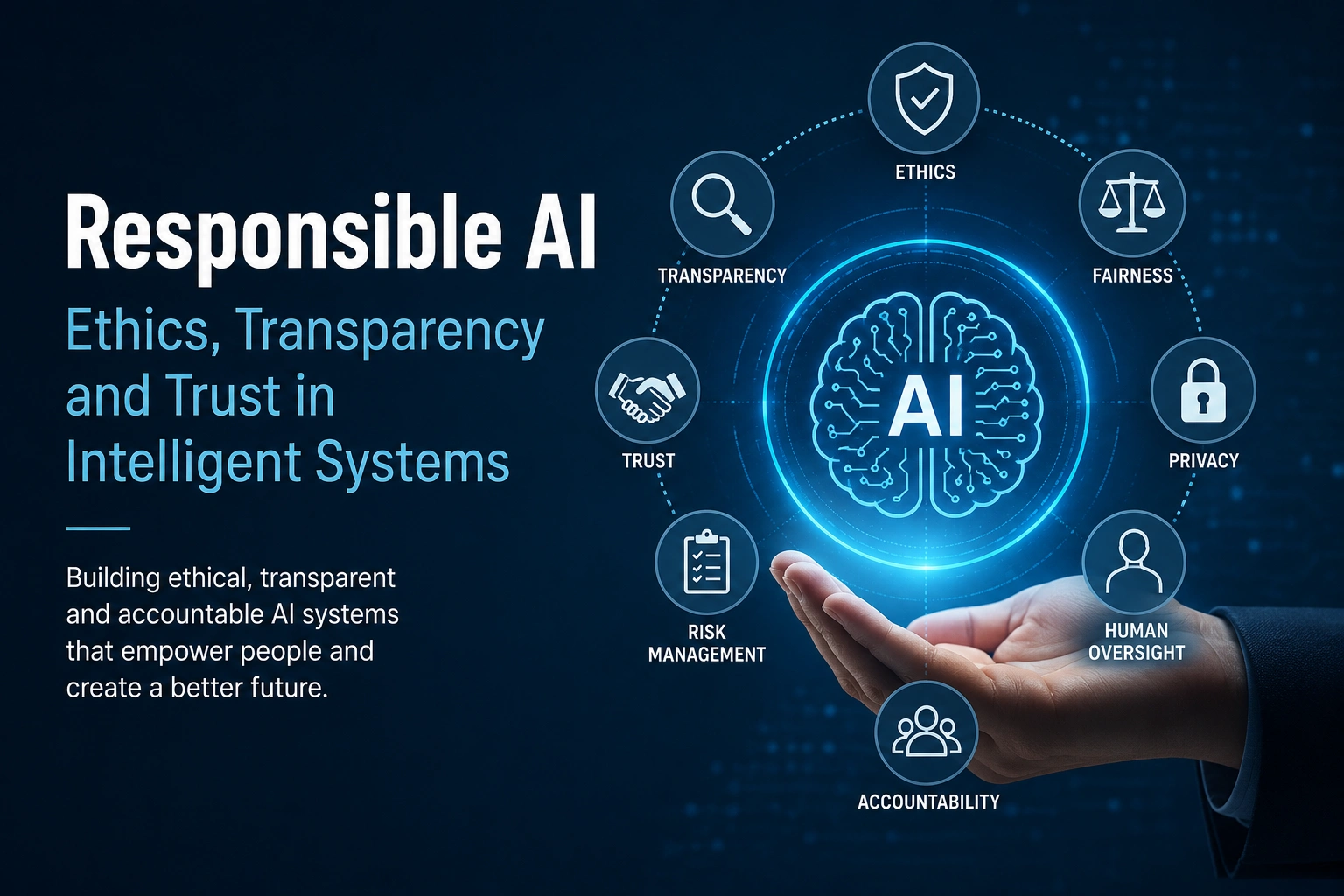
Organizations must build Responsible AI systems that are transparent, accountable, secure, and aligned with societal expectations.
Responsible AI includes:
- Fairness
- Explainability
- Privacy protection
- Security
- Human oversight
- Bias mitigation
- Regulatory compliance
- Continuous monitoring
AI Governance establishes the policies, standards, and oversight necessary to ensure intelligent systems remain trustworthy throughout their lifecycle.
Organizations that prioritize governance are better positioned to maintain public confidence while meeting evolving legal and ethical expectations.
Artificial Intelligence and the Future Workforce
The relationship between Artificial Intelligence and employment is more complex than simple automation narratives suggest.
AI changes the nature of work by reducing repetitive tasks while increasing demand for creativity, problem-solving, collaboration, and strategic thinking.
Future workforce development increasingly emphasizes:
- Digital literacy
- Data literacy
- AI literacy
- Critical thinking
- Cross-disciplinary collaboration
- Continuous learning
- Human-centered innovation
Professionals who understand how to work alongside intelligent systems will likely create greater value than those relying solely on routine processes.
Global Competitiveness Will Depend on AI Readiness
Artificial Intelligence has become a strategic capability for governments, research institutions, startups, and multinational organizations.
National competitiveness increasingly depends on:
- Digital infrastructure
- Research investment
- Skilled talent
- Responsible regulation
- Innovation ecosystems
- Cyber resilience
- Education systems
- Public-private collaboration
Countries investing in these foundations are better positioned to lead future technological and economic development.
The Future of Artificial Intelligence Will Be Defined by Human Choices
Artificial Intelligence is unlikely to follow a single path.
Its long-term impact will depend on how societies choose to design, govern, regulate, and integrate intelligent systems into everyday life.
Future progress will likely emphasize:
- Human-centered AI
- Trustworthy automation
- Collaborative intelligence
- Sustainable innovation
- Ethical deployment
- Cross-industry interoperability
- Transparent governance
- Inclusive technological development
The most successful AI systems will not simply perform complex tasks. They will enhance human capability while preserving accountability, privacy, fairness, and public trust.
Artificial Intelligence is becoming one of the foundational technologies shaping the future of innovation, scientific progress, economic development, and digital society. Its influence extends far beyond software or automation, touching nearly every sector where information, analysis, and decision-making create value.
As organizations continue to combine AI with data science, cloud computing, robotics, and digital transformation initiatives, the greatest opportunities will belong to those that view Artificial Intelligence not as a replacement for human intelligence, but as a powerful partner in expanding it.
Frequently Asked Questions
Why is Artificial Intelligence considered a foundational technology?
Artificial Intelligence serves as a foundational technology because it enhances the capabilities of many other digital systems. Rather than functioning as a standalone product, AI improves decision-making, automation, analytics, and problem-solving across industries ranging from healthcare and manufacturing to finance and education.
How does Artificial Intelligence differ from traditional software?
Traditional software follows predefined rules created by developers. Artificial Intelligence can identify patterns, learn from data, adapt to changing conditions, and improve performance over time, making it suitable for more dynamic and complex tasks.
What role does Responsible AI play in future adoption?
Responsible AI helps ensure that intelligent systems operate fairly, transparently, securely, and with appropriate human oversight. As AI becomes more widely integrated into society, governance and accountability will become increasingly important for maintaining public trust.
Which technologies most commonly support Artificial Intelligence?
Artificial Intelligence often works alongside Machine Learning, Deep Learning, Neural Networks, Natural Language Processing, Computer Vision, Robotics, Cloud Computing, Data Science, and automation technologies. Together, these technologies enable intelligent systems to solve increasingly sophisticated real-world problems.