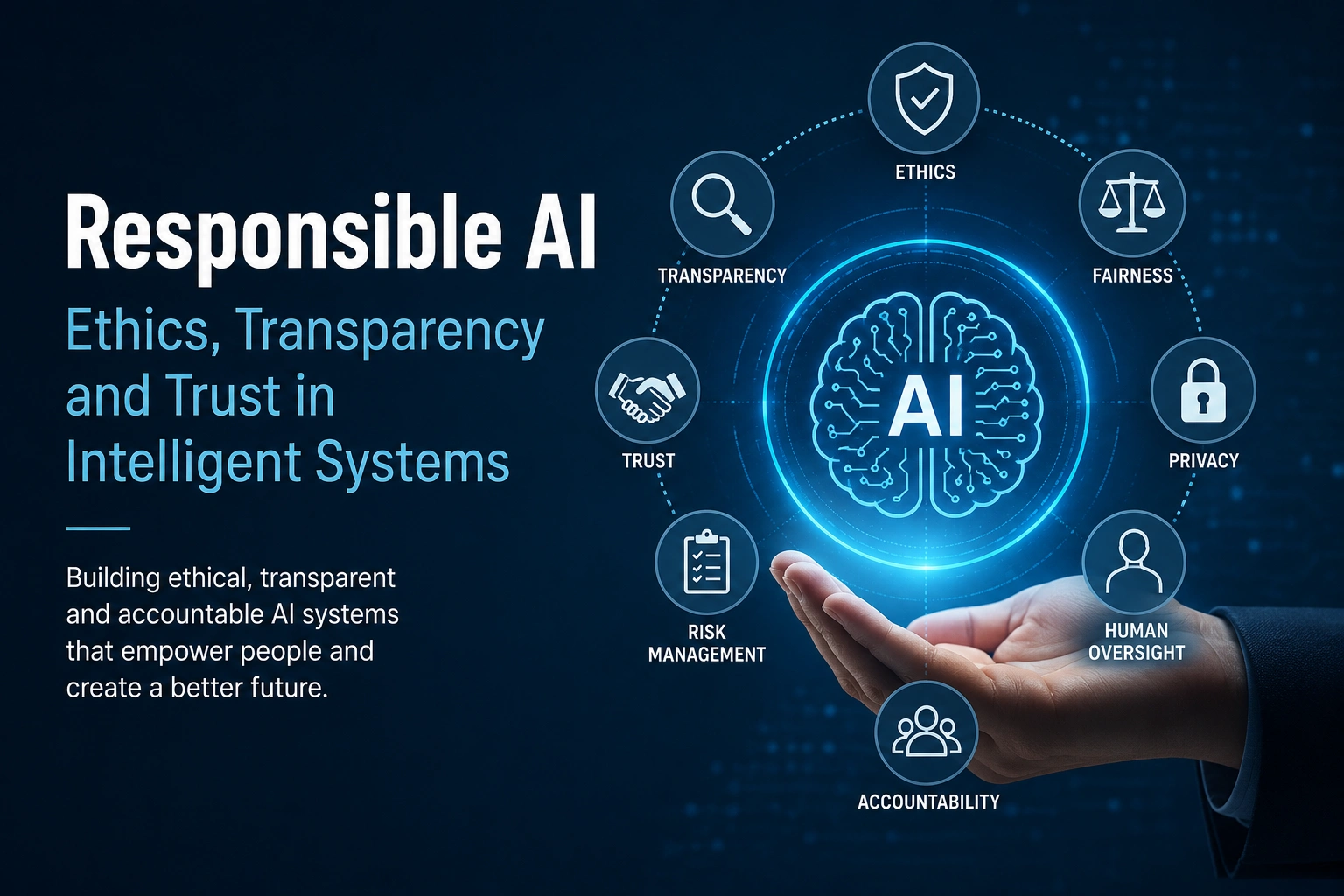
In the realm of artificial intelligence, understanding what data should never be entered into AI tools is crucial for safeguarding privacy, ensuring compliance, and maintaining ethical standards. As AI systems become increasingly integrated into various sectors, from healthcare to finance, the data fed into these tools can significantly impact their effectiveness and legality. This guide provides clarity on the types of data that should be avoided, the associated risks, and best practices for secure data handling in AI environments.
Understanding AI Tools and Data Processing
AI tools are designed to process vast amounts of data to make informed decisions, automate tasks, and provide insights. However, not all data is suitable for AI processing. The data fed into AI systems must be carefully scrutinized to prevent privacy violations, data breaches, and ethical dilemmas. By understanding how AI tools process data, businesses can better manage what information is appropriate to input.
Types of Data to Avoid
Personal Identifiable Information (PII)
Personal Identifiable Information, or PII, includes any data that can be used to identify an individual, such as names, addresses, Social Security numbers, and phone numbers. Entering PII into AI tools without proper anonymization can lead to severe privacy breaches and legal repercussions. Protecting PII is governed by laws like the GDPR in Europe, which imposes strict regulations on how such data can be processed and shared.
Sensitive Personal Data
Sensitive personal data encompasses information that is more private in nature, such as racial or ethnic origin, political opinions, religious beliefs, and biometric data. This type of data requires even greater protection due to its potential misuse or discrimination. AI systems that inadvertently process this data without consent can lead to ethical breaches and loss of trust.
Confidential Business Information
Confidential business information includes trade secrets, proprietary processes, and strategic plans. If such data is improperly entered into AI tools, it can result in competitive disadvantages or unauthorized leaks. Ensuring that AI systems are secure and that only non-sensitive business data is used is critical for maintaining a competitive edge.
Financial Records
Financial data, such as credit card numbers, bank account details, and transactional records, is highly sensitive and a prime target for cybercriminals. Entering financial data into AI systems without robust encryption and access controls poses significant security risks, including fraud and identity theft.
Health Information
Health-related data, protected under laws like HIPAA in the United States, must be handled with the utmost care. This includes medical histories, test results, and insurance information. AI tools processing such data must ensure compliance with health information privacy laws to avoid legal penalties and maintain patient confidentiality.
Risks and Consequences of Entering Sensitive Data
Entering sensitive data into AI tools without proper safeguards can lead to several risks:
- Data Breaches: Unauthorized access to sensitive information can result in significant financial and reputational damage.
- Legal Penalties: Non-compliance with data protection laws can lead to hefty fines and legal actions.
- AI Bias: Biased data inputs can lead to discriminatory AI outcomes, affecting decision-making processes.
- Loss of Trust: Mishandling data can erode trust among customers and stakeholders, impacting business relationships.
Compliance and Legal Considerations
Adhering to legal regulations is paramount when utilizing AI tools. International laws such as the GDPR, CCPA (California Consumer Privacy Act), and HIPAA outline strict requirements for data protection and processing. Businesses must ensure AI systems are compliant with these regulations to avoid legal consequences and uphold ethical standards.
Best Practices for Safe Data Entry in AI
Data Anonymization Techniques
Anonymizing data involves removing or obfuscating personal identifiers to prevent tracing back to an individual. Techniques such as data masking, pseudonymization, and aggregation can help maintain privacy while still allowing AI tools to process useful insights.
Use of Encryption
Encryption is a critical tool for protecting data both at rest and in transit. By converting data into a secure format, encryption ensures that only authorized users can access sensitive information, thus preventing unauthorized disclosures.
Real-World Examples and Case Studies
Consider a healthcare organization that inadvertently entered unencrypted patient data into an AI system, resulting in a data breach. The breach led to significant financial penalties and loss of patient trust. This example highlights the importance of securing data before inputting it into AI tools. Another case involves a financial institution that implemented robust encryption and access controls, preventing unauthorized access and maintaining compliance with legal standards.
Conclusion and Key Takeaways
Understanding what data should never be entered into AI tools is essential for protecting privacy, ensuring compliance, and maintaining ethical standards. By avoiding the entry of sensitive data such as PII, confidential business information, and health records, businesses can mitigate risks and uphold trust. Implementing best practices like data anonymization and encryption further enhances data security. Organizations should remain vigilant and informed about evolving data privacy laws and AI ethics to successfully navigate the complexities of AI data management.
Frequently Asked Questions
- What happens if sensitive data is entered into AI?
Entering sensitive data can lead to data breaches, legal penalties, and loss of trust, highlighting the importance of secure data practices.
- How can businesses ensure compliance when using AI tools?
Businesses can ensure compliance by adhering to data protection laws, employing data anonymization, and implementing robust security measures.
- What are the risks of AI bias from incorrect data?
Biased data inputs can lead to discriminatory AI outputs, affecting decision-making and potentially causing harm or unfair treatment.
- How does encryption protect data in AI systems?
Encryption secures data by converting it into a format that only authorized users can access, protecting it from unauthorized disclosures.
- What are the legal implications of data misuse in AI?
Data misuse can result in legal penalties, including fines and legal actions, particularly if it violates data protection laws like GDPR or HIPAA.
For continued success, businesses must prioritize data protection and remain informed on the latest developments in AI data management to safeguard their operations and reputation.